Species of Greatest Conservation Need
(SGCN)
What is SGCN and our role?
“Over 800 species of wildlife exist in Wyoming. This does not include plants and terrestrial invertebrates, which do not fall within the Wyoming Game and Fish Department’s (WGFD) jurisdiction. SGCN designation is intended to identify species whose conservation status warrants increased management attention, and funding, as well as consideration in conservation, land use, and development planning in Wyoming.” – WGFD
JHWF partners with WGFD to engage community scientists in field surveys for Species of Greatest Conservation Need in Wyoming. Volunteers play a hands-on role in collecting data that directly informs wildlife management and recovery decisions across the state.
Pika Surveys
High alpine habitats across the Greater Yellowstone Ecosystem are home to the American pika, a small but iconic mammal and a sensitive indicator of alpine ecosystem health. In partnership with Wyoming Game & Fish Department, JHWF volunteers conduct 30-minute presence surveys at assigned sites between July and mid-September, recording pika detections and sign to build high-resolution population trend data that complements and informs statewide monitoring efforts.

Survey Method
- Volunteers will navigate to an assigned alpine plot and establish a 12-meter survey area.
- Volunteers will then complete a 5-minute silent observation period – watching and listening for pikas.
- For the remaining 25 minutes, volutneers will actively search the plot recording haypiles, scat, and aural/visual signs of pika.
Surveys can be done solo or in pairs, at a time that works for your schedule.
Key Dates
Late June – Virtual training, led by WGFD biologist
Late June/early July – In-person field training, led by JHWF
July-September – Your survey window
Other SGCN Opportunities
In addition to Pika Surveys, JHWF volunteers can get involved in two more exciting SGCN programs in the summer of 2026.
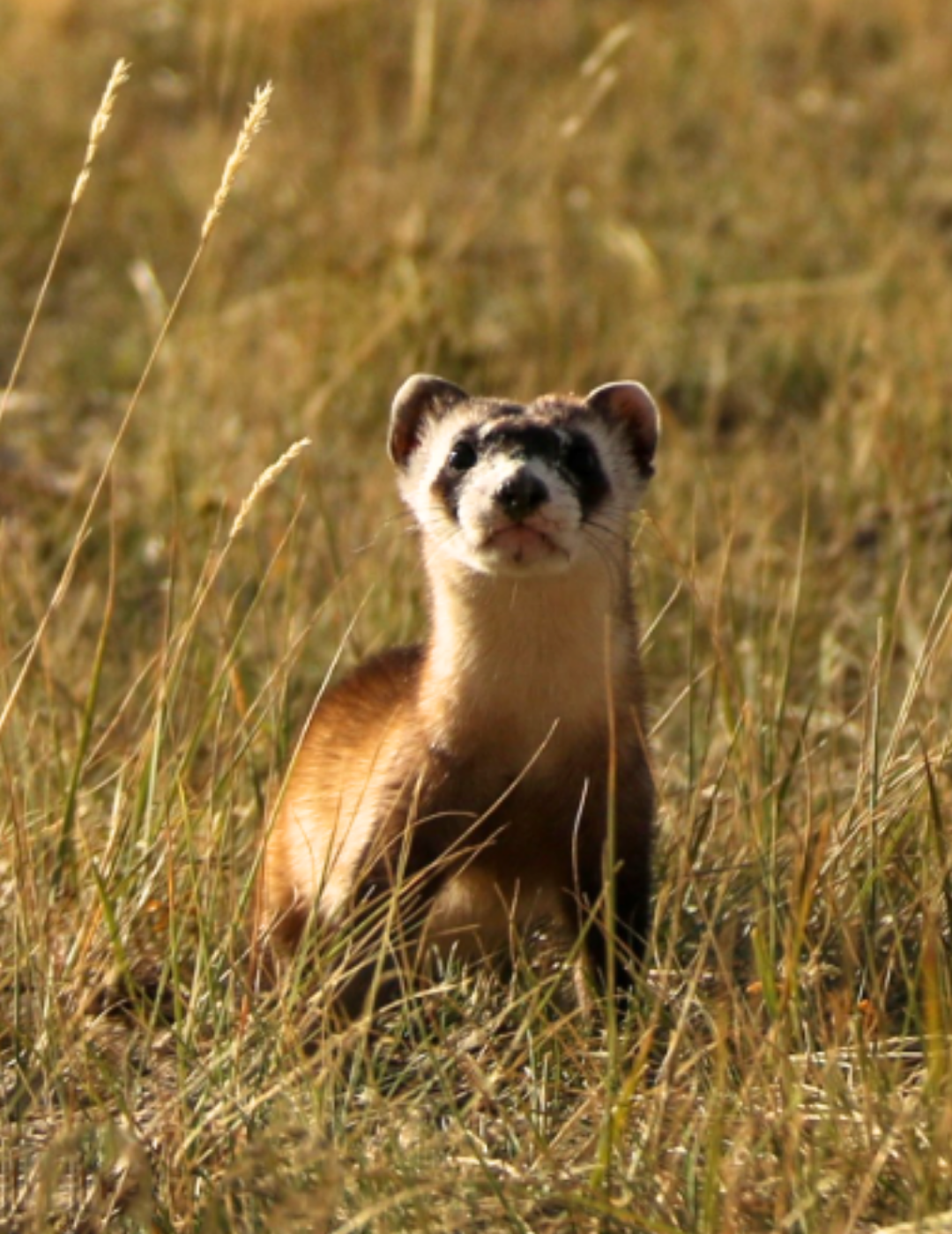
Black-footed ferret surveys
Help WGFD spotlight one of North America’s most endangered mammals at sites in Shirley Basin and Meeteetse, Wyoming. Surveys take place August through October and involve multi-day surveys with nighttime spotlighting to locate and monitor ferret populations.
Shadow a biologist
Join a wildlife biologist in the field for Black Rosy-Finch surveys or IMBCR bird point counts with the Bird Conservancy of the Rockies. These opportunities involve backcountry hiking in stunning high-elevation terrain across western Wyoming. As surveys take place in grizzly bear country, volunteers accompany an experienced biologist for safety — making this a unique chance to learn fieldwork skills alongside wildlife professionals.
To learn more or express interest, email Zoë at zoe@jhwildlife.org or fill out the interest form below.
Webpage picture credits: SGCN Volunteer, Rachael Dunlop
Jackson Hole Wildlife Foundation
Tax ID # 83-0302830
Office Location:
25 S. Willow St., Suite 10
Jackson, WY 83001
Mailing Address:
PO Box 8042
Jackson, WY 83002
All rights reserved.
Privacy Policy